

What is signal chain?
In the audio world, it’s the path that a sound wave travels through. Let’s look at some examples!
Electric Guitar:
Ex 1. Basic E. Guitar
Guitar(strings>pickups)>cable> amp/speaker
Ex 2. E.Gtr in Live Sound or Studio
Guitar>cable>Tuner>VolumePedal>Boost>amp/speaker>Microphone & placement>Preamp>Mixer>PA system
These are basic SERIAL chains. That means the sound has no option but to travel through the volume pedal before the boost. Then through the boost before the amp. The sound can be altered and the next piece of gear only hears the altered sound(even if subtle). It is a series of sound events happening one after the other.
When using pedals or DAW plugins(compressors/EQs, etc), understanding the consequences of their ORDER is essential to getting a sound that you want.
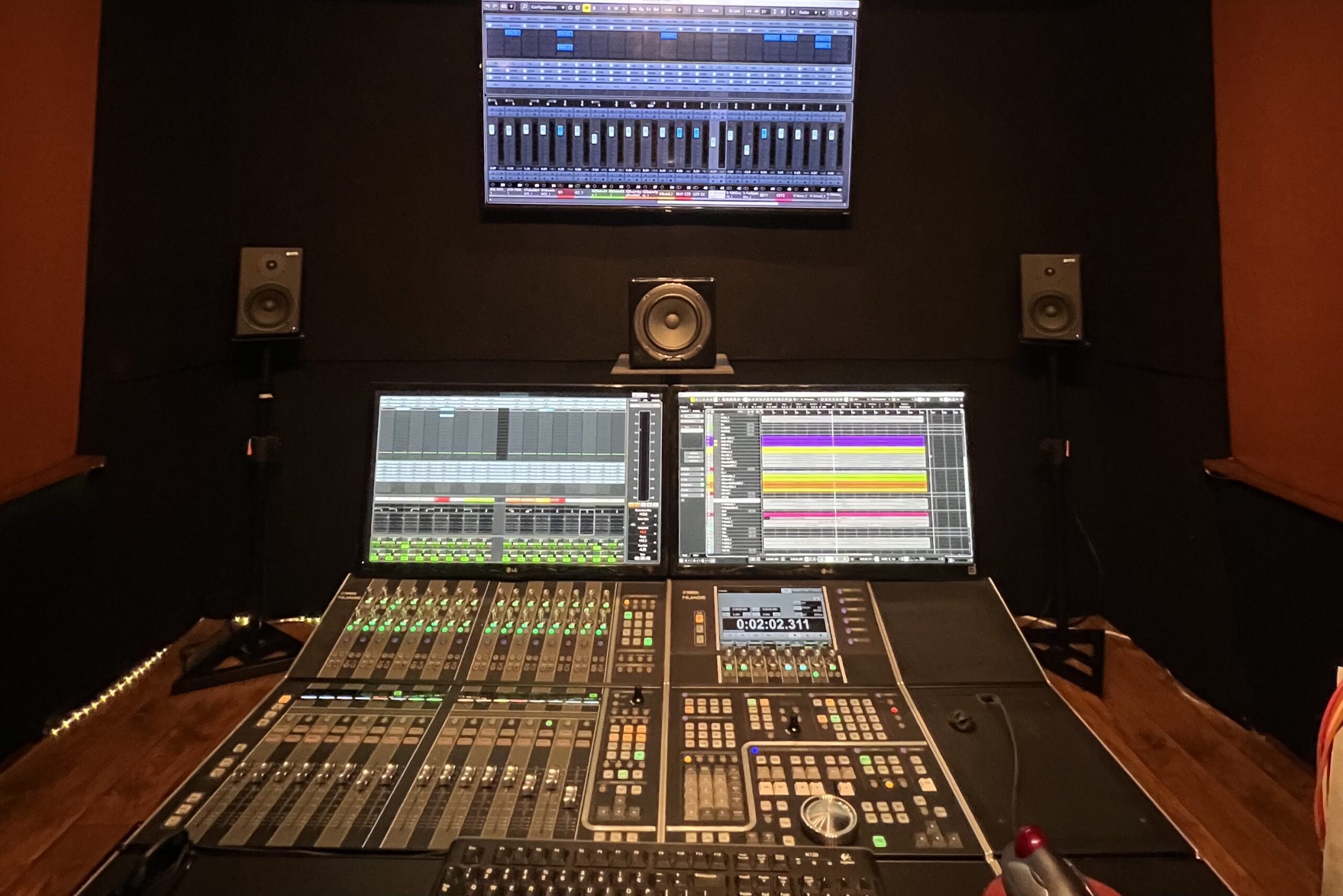
One might encounter the dilemma when choosing what order to connect their effects pedals. If you have 1, it’s self explanatory(unless you use an amp with an effects loop). Once you have a second pedal, you have to make a choice right then.
Ex 3. Volume Pedals and Delay
This example is a great way to understand the consequences of signal chain.
Let’s say you own a delay pedal and you get a volume pedal, so you can do ambient swells to create walls of sound.
There are two options for plugging up.
- You plug the instrument into the delay(turn up repeats), then patch into the volume pedal, then amp.
Strike a chord, then play with the vol pedal. When you move the volume pedal back, all sounds dissapear.
This is because the vol pedal is last in the order and controls the volume for anything that passes through it. This would be a desirable function if you want to create instant silence. If you want swells though, you don’t want to hear the spike of the pick attack repeating endlessly. It should be smooth.
- Plug into volume pedal first>then delay
Now you can strike the chord with the volume off, then move the vol pedal forward. You will hear the chord swell in without the pick attack. The soft repeats will continue ringing even when you move the vol pedal back off because it cannot control anything that happens to the delay afterwards.
If you experience it, this serves as an obvious illustration of signal chain consequences.
This can help you understand how to choose the order once you have 3 or 4 or 5 or 6 effects available. It can begin to get complicated quickly.
Ex 4. Reverb and Distortion
Most likely, you want to run into your distortion first, then out into the reverb. This will sound most clear & natural(like the sound of distorted amp in a giant concert hall)
If you plug into reverb, then into distortion, the subtleties of the reverb decay & echo will get amplified heavily and will not sound naturally reverberant. If you like to play intricate melodies or lines, this will sound muddy and undefined; depending on the amount of distortion.
There are instances where this creates a cool effect though, so understanding the order is essential to achieving a desired sound.
***If you use a multi channel amp to get distorted sounds(vs. a dist pedal) then the only way to get the reverb or delay after the distortion is to put the pedals in the FX LOOP of the amp. Most modern amps have these for this reason. The “distortion pedal” is basically the amp’s preamp and the FX LOOP allows you to insert effects AFTER the preamp before it hits the power amp(this is what makes the speakers move)***
We can create endless scenarios for every type of effect ever and test how each would interact with one another.
My typical signal chain on my pedalboard is:
Tuner>Synthesizer effects>Pitch(whammy, shift, etc)> Boost/Overdrive/Fuzz/EQ> Tape Delay> Phaser or Vibe> Distortion or amp channel>EQ> 2nd delay> Reverb> Modulation.
Parallel signals:
Ex 5. Mixing Front of House and Mixing Monitors
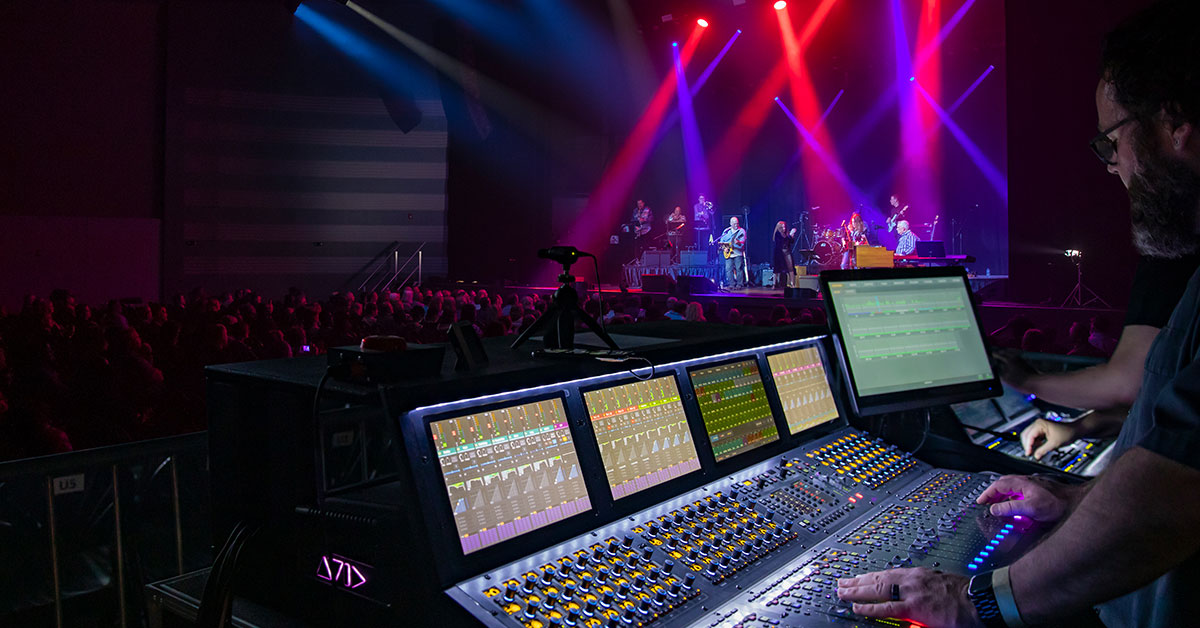
In STUDIO and LIVE audio PARALLEL chains are standard procedure.
A live concert is a straightforward look at what parallel chains look like. The sound engineer needs to mix the music specifically for the crowd. Let’s call this CHAIN A. The band on stage might need a different mix, so they can hear themselves clearly during performance. The singer will want more of himself and the guitarist will want more of himself, and so on.
Let’s call these Chains B, C, D, etc.
The engineer can turn up the vocals, send no drums and bass, turn up the GTR for the singer in CHAIN B without changing what the crowd hears.
The sound wave signal chains are running parallel or independent to each other.
FX/aux sends on mixers/DAWs, splitters, pedal L R outputs, and 2nd amps are mechanisms for creating parallel chains.
Ex 6. Parallel Octave FX
If you want your guitar to sound like a bass as well as guitar, you can run an octave pedal into a bass amp while maintaining your original guitar sound into a regular amp. The delay>guitar amp on signal A will not run into the Octave>bass amp signal B which will provide tightness, depth, and clarity. You’ll probably need an AB switcher for this, although there are other methods.
Ex 7. Parallel Delay
Running a parallel delay can add subtle or intense width to a sound without washing out the RAW clarity of the main source. Common in guitar solos and epic vocal choruses. This also gives you easy control of the volume of the effect. You can even put more texture FX on the parallel delay without changing the RAW signal.

If you want to be able to get hands-on with these concepts, we have a Tone Talks summer camp June 26-29. This is a clinic where we explore parameters of technique, guitars, amps, and effects! Access more details and register at the link: https://namsfrisco.pike13.com/courses/286413
We also offer private lessons, and can explore these concepts one on one.
Voice, Piano, Guitar, Bass, Drums, Synth, Ukulele, Violin, Songwriting, Band, Audio Production & Recording, Nuendo, Cubase, Logic Pro X, Reason, Pro Tools, Abelton, Video Production & Editing lessons available!
Enjoy!

Cody