
One child taps a rhythm on every surface. Another notices the piano part before the singer. An adult hears a guitar line and thinks, “I wish I could do that.” Those small reactions are useful clues when choosing a first instrument.
You do not need to know which instrument you will play forever. You need a starting point that makes you curious enough to return tomorrow. Here are a few ways to find it.
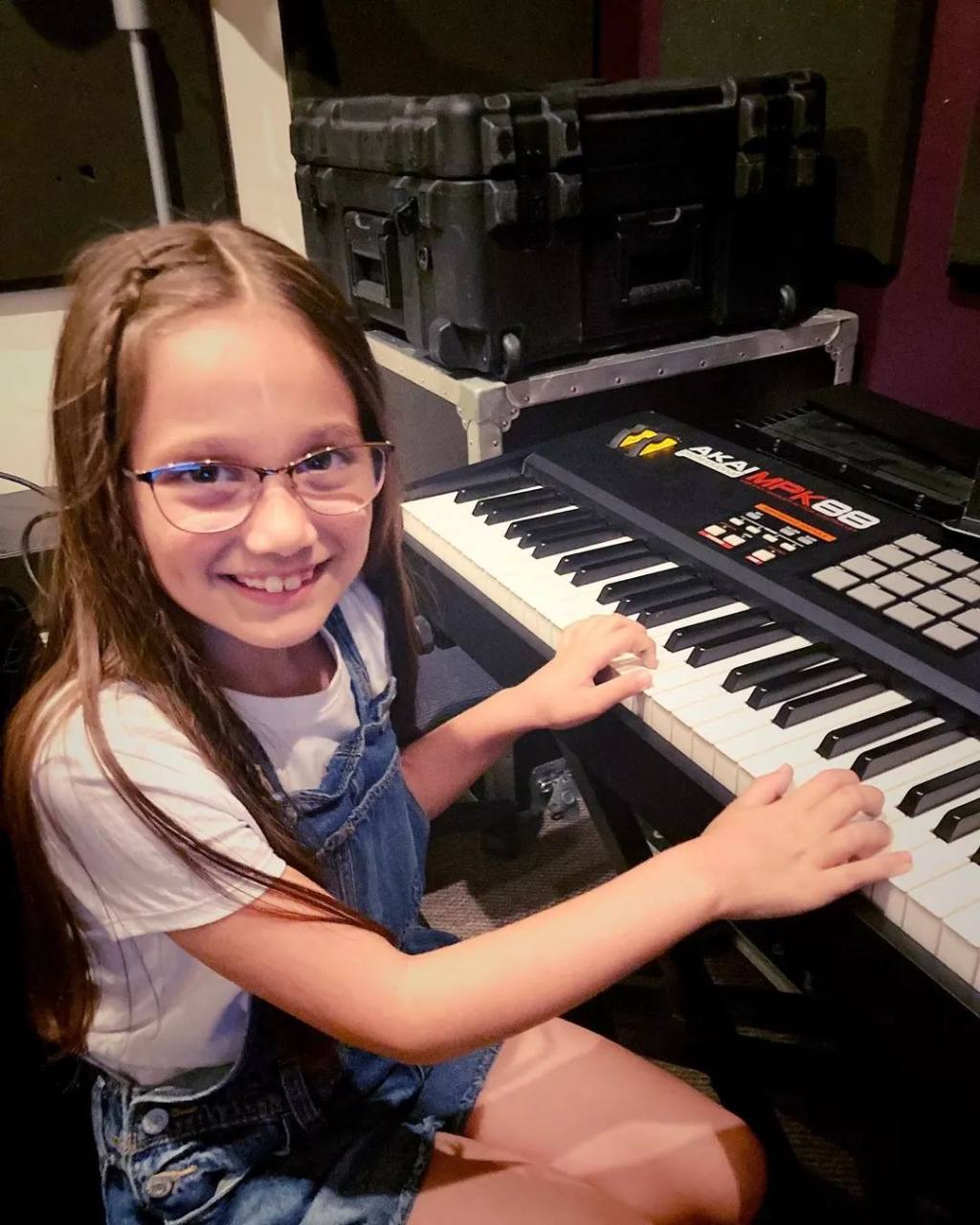
Listen for what catches your attention
Choose two or three favorite songs and listen together. Instead of asking, “Do you like music?” ask something more specific: “Which sound would you like to make?” A student may point to a bass line, a drum pattern, the melody, or the chords underneath the singing.
If they cannot name the instrument, that is fine. Bring the song and the moment in it to a teacher. Recognizing a sound you enjoy is a useful first step; knowing its name can come later.
Consider how you want to make music
Different instruments offer different ways into a song. A pianist can explore melody and accompaniment on the same keyboard. A guitarist might be drawn to chords, riffs, or singing while playing. A bassist may enjoy the connection between rhythm and harmony. A drummer might love making a groove feel steady and alive.
These are possibilities, not personality rules. Quiet people can love drums. Outgoing people can enjoy playing piano alone. Let interest guide the conversation instead of deciding that an instrument must fit a particular kind of person.
Try the physical experience
An instrument can look exciting in a video and feel different in your hands. Ask a teacher about a suitable size, a comfortable setup, and the first few movements a beginner would learn. Listen to what the student says after trying it. Did they want another turn? Was there a sound they wanted to figure out?
One awkward attempt is not a verdict. Most first attempts feel unfamiliar. The question is whether there is enough interest to explore that unfamiliar feeling with guidance.
Make the home setup realistic
Before buying equipment, talk through space, sound, storage, and access. Where would the instrument live? Could the student reach it without a complicated setup? What would practice look like in a shared home?
Ask the teacher what is needed now and what can wait. A long shopping list is not the same thing as a good beginning. A workable instrument and a clear next step matter more than collecting accessories before the first lesson.
Give the choice room to grow
Agree to approach the beginning as an experiment with regular check-ins. Ask what feels interesting, what is confusing, and what the student wants to try next. Those answers are more useful than asking only whether they are “good at it” yet.
Changing interests do not make the first choice a failure. Listening, rhythm, and experience learning something new can travel with a musician. The goal is to build a relationship with making music, one manageable decision at a time.
Explore music lessons at NAMS Frisco, or request a free 15-minute mini lesson and tell us which sounds have caught your attention.